
Adamawa, UNICEF Launch Nutrition Initiative for Children’s First 1,000 Days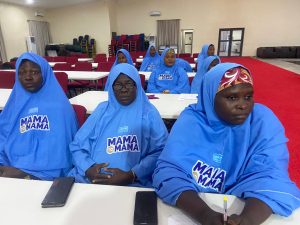
By Ojoma Yusuf,Yola
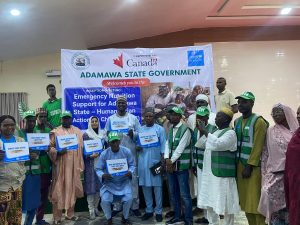
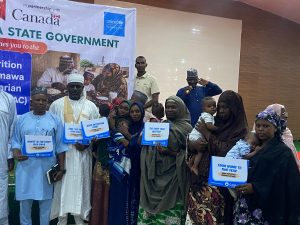
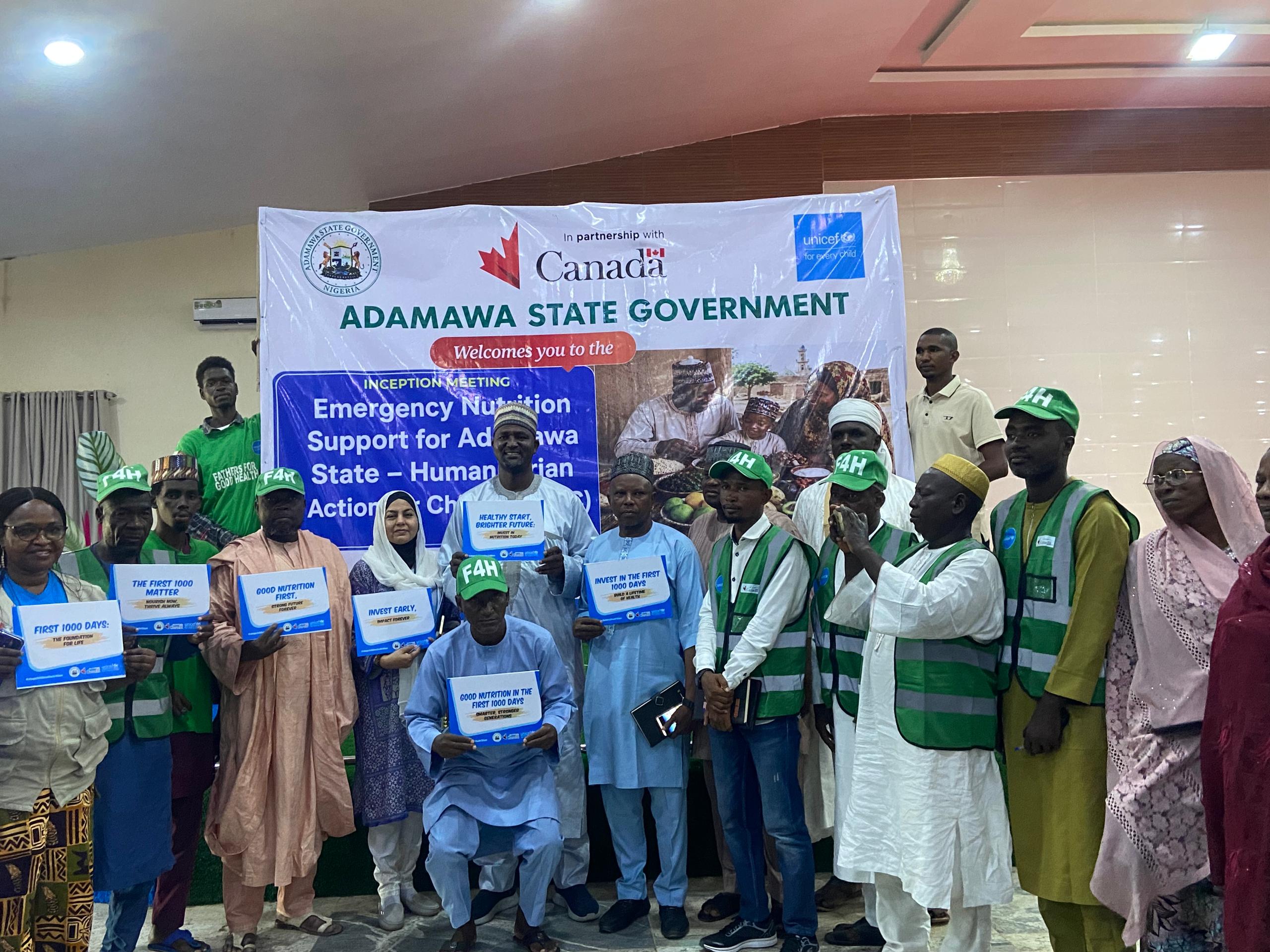
The Adamawa State Government, in collaboration with UNICEF and with support from Global Affairs Canada, has launched a new nutrition intervention project aimed at improving maternal and child health during the critical first 1,000 days of a child’s life.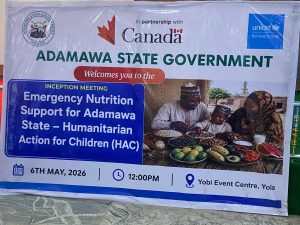
The initiative, unveiled during an inception meeting in Yola, the Adamawa State capital, is expected to strengthen healthcare delivery for pregnant women, newborns, and infants through preventive and community-based healthcare interventions across the state.
The project, known as the Essential Support Humanitarian Action for Children Project, focuses on the period from pregnancy to a child’s second birthday — widely regarded by health experts as the most critical window for survival, brain development, growth, and long-term wellbeing.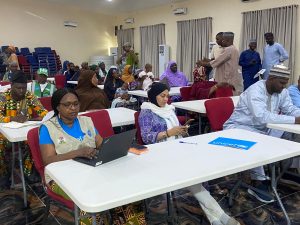
Speaking at the event, the Executive Chairman of the Adamawa State Primary Healthcare Development Agency (ADPHCDA), Dr. Sulaiman Saidu Bashir, described the programme as a major step toward improving child survival and healthy development in the state.
“This afternoon we had an inception meeting on a new project supported by Global Affairs Canada in collaboration with UNICEF. It is aimed at targeting the first 1,000 days of life, from pregnancy to childbirth and up to the second birthday of the child,” he said.
Dr. Bashir explained that the initiative is designed to ensure children are properly nourished and given the opportunity to grow and thrive during the critical developmental stage.
“It is to nourish, to grow and to thrive. That is the theme of the project,” he added.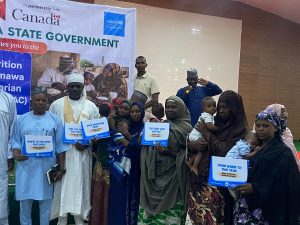
He noted that the programme would deliver stronger healthcare, nutrition, food, and social protection systems while promoting better nutrition practices and sustainable impact across communities.
According to him, the Adamawa State Government will play a central role in sustaining the intervention through the provision of human, financial, and material resources after the initial implementation phase supported by development partners.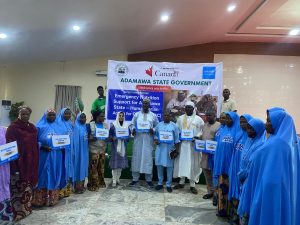
“The whole essence of the project is to initiate a strategic response and the state will sustain it. It is result-oriented, feasible and will be sustained,” he stated.
Dr. Bashir disclosed that although the programme is expected to run initially for two years, it is designed to cover the entire state in line with the government’s inclusive healthcare policy.
Also speaking, the Chief of UNICEF Bauchi Field Office, Nuzhat Rafique, stressed the importance of the first 1,000 days of life, describing it as the foundation for a child’s physical and mental development.
She said the initiative would focus on maternal healthcare, antenatal services, nutrition counselling, exclusive breastfeeding, immunisation, birth registration, and child protection.
“At the time of conception, the mother needs to be healthy during pregnancy. When the child is born, all the rights of the child, including vaccination, nutrition and protection, must be ensured,” she said.
Dr. Rafique explained that adequate nutrition and exclusive breastfeeding during the first six months are essential in preventing malnutrition, infections, and childhood illnesses.
“If breastfeeding is not exclusive and feeding practices are poor, the child becomes sick repeatedly and may fall into malnutrition,” she explained.
She expressed optimism that strengthening healthcare systems for mothers and infants would significantly improve nutrition outcomes and reduce child mortality in Adamawa State.
On concerns over diversion of humanitarian aid and nutrition supplies, Dr. Rafique said monitoring committees had been established at state and local government levels to ensure accountability and transparency.
According to her, the committees comprise traditional rulers, teachers, community leaders, healthcare workers, and local government officials tasked with monitoring distribution and reporting cases of diversion.